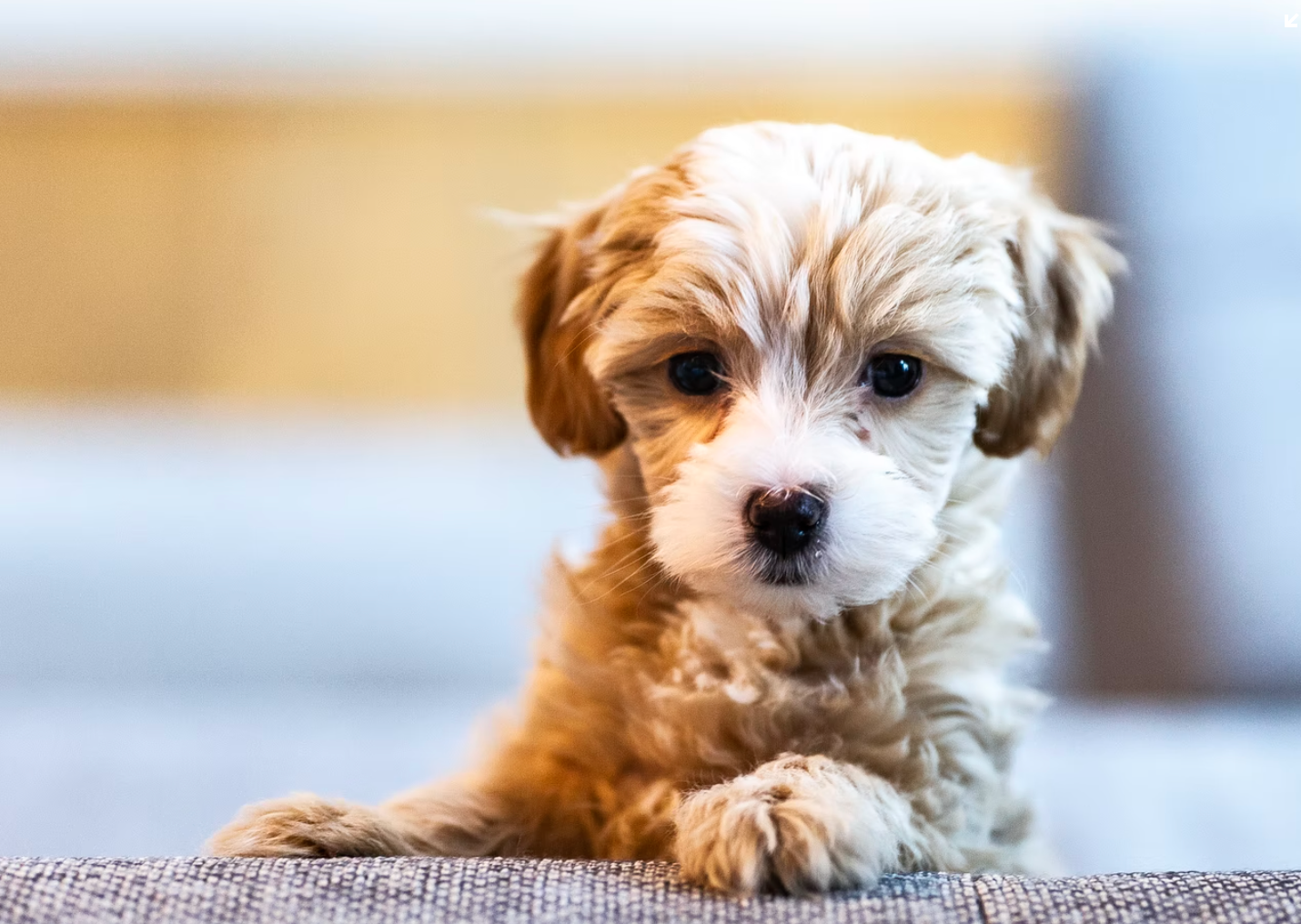
Photo by Patrick Kool
The secret is… there is no secret. Only patience.
As someone who is going through the puppy training process as we speak, I'd like to share some of the basic puppy training tips that's I've picked up along the way. Although we've invested in training sessions in the past with a professional, this time we opted to try our best on our own.
We're not trying to target any specific behavior issues at the moment, just the ins and outs that come with a new pet. What I do know for certain is that there is a grace period before you start "training" your dog to avoid long-term bad habits. For example, shouting "NO!" at a 4 week old puppy isn't the best way to teach your puppy. Their bladders are literally too small to control them the way they'd like.
Training your new puppy is not 100% linear. You have to factor in things like being in a new environment, cohabitating with other dogs and their young age. If it were all simple, we wouldn't need to rely on a dog trainer, would we?
For the puppy owners who want to do their own puppy training sessions at home, here are some practical tips.
Navigating Crate Training:
With our little pup, crate training was something that implemented in our puppy's training session almost immediately. Although we did spend the first two weeks sleeping with him on the sofa.
One idea is to leave their favorite toy in the crate.
Try to keep the crate in a controlled environment without lots of loud distractions.
As your puppy grows, make sure that the crate is still comfortable for them. They should have enough space to move around.
Give them high value rewards in the crate and lots of positive reinforcement.
Use the same word or hand signal for the crate when you want them to go inside so that they can for associations.
Remind them that they're a good dog and the crate. isn't a scary place.
Puppies learn through repetition, so we try and practice with S at least once a day.
Set an alarm on your phone for potty breaks so that you teach your puppy to learn to hold it until you come and let them out versus running every time they cry.
I like to add a chew toy when my puppy is supervised in the crate or food rewards for good behavior.
Dog sports, games, play sessions, anything to keep your puppy engaged and nice and tired make cuddling up in their crate a more positive experience.
Young puppies can begin training as soon as they've gotten accustomed to their new life, but don't expect dogs to adapt immediately. Patience is the best secret to crate train your dog. You can spend hours reading all the basics, and still feel like you're unprepared. That's normal.
When to hire a dog trainer:
When training your puppy goes from a fun bonding experience to a not-so-fun forced puppy class, it might be time to call for back up. If you notice the puppy blues setting in, or house training gets to be overwhelming, puppy parents don't be too ashamed to reach out for help!
Obedience training is more than puppy treats and most dogs need training cues, consistency and structure in order to grasp the basic commands.
We have a very alert and reactive dog and we reached out to Doctor Loulittle for basic obedience training. She emphasized the importance of positive reinforcement and gave us overall basic puppy training tips. It's much easier to correct bad habits in puppies versus with an adult dog, although any good trainer will find a way to make it work.
6 Dos and Don'ts of puppy training:
Bopping your pup's nose won't help them learn any better. Remember: positive reinforcement.
When you see a new behavior you like, let them know.
The housebreaking process cannot full start until they've had all their vaccinations and can go outside on the leash (if you don't have a yard, of course) so be patient.
Expect potty breaks every hour so so for the first months.
Start training as soon as you can to help your puppy learn the sitting position or check out puppy socialization classes (post-vaccinations, naturally)
Keep your puppy training sessions short. You dog's attention span is very short and try to include potty training in your puppy's training schedule so that you form a routine.
Conclusion: training your puppy is hard, but worth it.
Basic puppy training is necessary to make sure that you're comfortable and that your dog knows limits limits. Puppy training requires routine and consistency, and potty training takes time.
On a positive note, these are the most wonderful times to watch your new pup grow, learn to walk politely, meet new dogs and learn impulse control. After you teach your puppy to sit, the rest will feel like a piece of four paws cake! Just keep those sessions short, engaging and just watch your puppy grow into a loving. socialized and clever adult dog with good behavior.
Your puppy's life is in your hands!