

I'd like to begin this post by stating very clearly: it is possible to love traveling, love living abroad, and still grow wary of the many inevitable cultural differences. Whether or not you speak Spanish, you're bound to have moments when you crave the familiar and that's completely acceptable.
While the Spanish lifestyle has many attractive aspects such as access to a myriad of fresh and amazing produce, the emphasis they place on family and friends, and of course, the rich history; culture shock may still be a thing for you. Be gentle with yourself.
African Americans are one of the biggest groups of travelers in the US; however, African immigrants in Spain, albeit not the same, are not as common as one would expect. It's probably due to the fact that immigration didn't really pick up here, at least in a modern sense, until the 90's. So if you're expecting Spanish people to be 100% versed in all things, worldly, non-Spanish or African American, I'd adjust those expectations. You will still be able to make local friends as a Black person, but you may encounter a communication hiccup or two which is expected in a foreign country.
Like most Western European countries, the majority of exciting things go down in the capital cities, and Spain is no exception.
Black travelers, take note: here are 4 places to find community in Spain:

This is a community whose goal is to "amplify BIPOC voices through the arts." It's a bilingual community open to English speakers and Spanish natives living in Spain. They host engaging and thought-provoking workshops, open mic nights and other events! While the crowd you'll find there are mostly expats who teach English, there's a growing number of Black Spaniards since, as I mentioned, the community is multi-lingual.
2. Conciencia Afro

This is an annual festival hosted at the salughterhouse-turned-arts-center, Matadero in Madrid. You can expect music, food, and art in all its many forms. Afro Spaniards are behind this Afro-Punk-esque festival and the vibes are always right. It usually takes place in September, so mark your calendars! You'll find rich culture, hip hop, poetry and Black people from across the African diaspora. Personally, I enjoy it most for the fashion! Not many foreigners living in Spain know about this festival, but that's changing more and more every year.
3. Afro-Colectiva
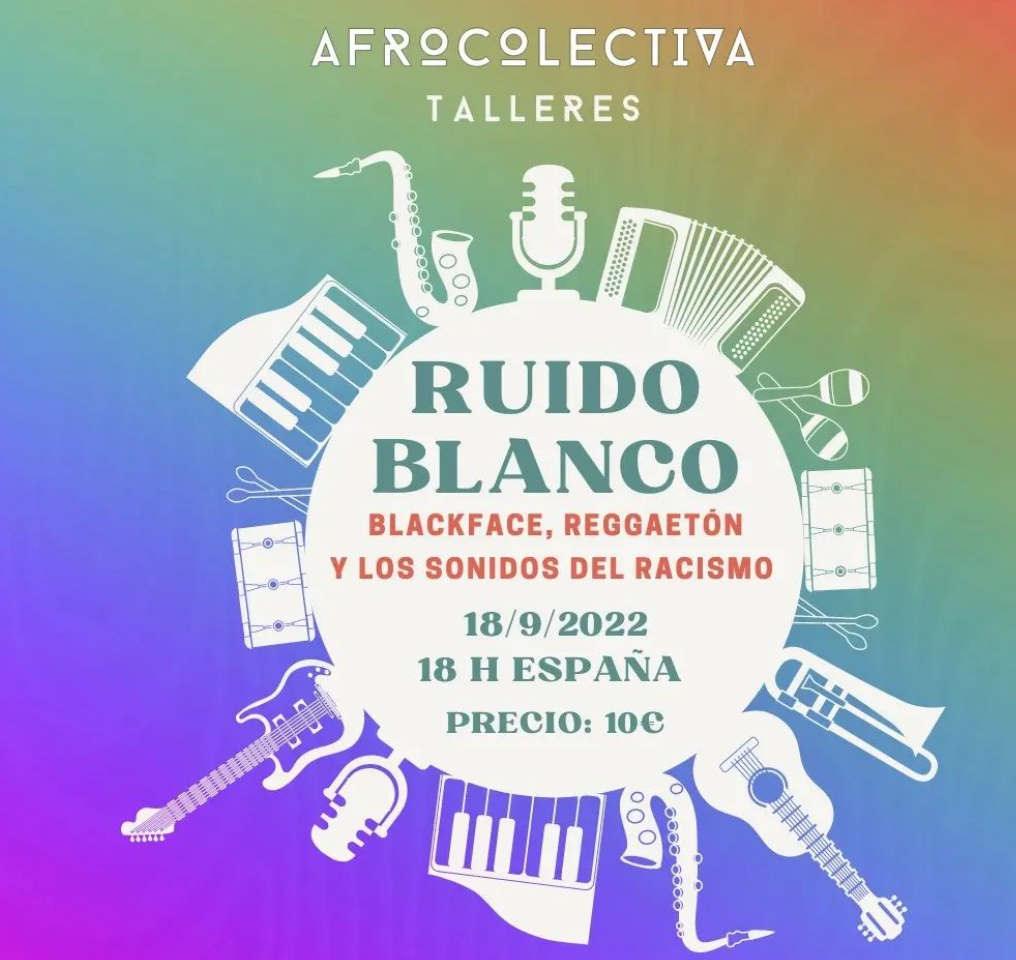
This isn't so much a place one can go so much as it's a place one can go to learn... It's a news site dedicated to all things, well, Afro. If you want a way to stay informed, learn Spanish and you know, read about some of the blatant racism throughout the peninsula and the world, I'd recommend this page! Their IG community is pretty strong too with over 50k! Unfortunately, most foreigners in Spain stick to a small bubble of English-speakers in large cities. If you want a bird's eye view of what's what in different regions and a variety of perspectives, here's a great place to start.
Honorable Mentions:
Afrogalegas: an association for Afro-descendants in Galicia, Spain!
BlackBarcelona Afro: an annual meetup in, you guessed it: Barcelona!
La Panafricana: a pan-African bookstore based in Barcelona, Spain!
GabsAway: beautifully curated dinner experiences designed to get you talking!
Frequently Asked Questions:
Do I have to speak the Spanish language to find community?
No, but naturally it helps. Spain has a former colony in an African country, Equatorial Guinea, and consequently, many Guineans live in Spain. That said, the Spanish-speaking African diaspora is huge!
Think: Cuba, Venezuela, Colombia and the Dominican Republic! If you speak English, take this as a fun challenge to get immersed!
Are there Black people in southern Spain?
I'm sure there are! In fact, Cádiz, a port city in southern Europe, was where a lot of trading of African slaves took place. I recognize that many of the options on this list are in Madrid and Barcelona, but don't be discouraged!
Community is great at and all, but talk to me about Spanish bureaucracy. Does it make it hard to be Black in Spain?
The Spanish government is like any other government: it has its good parts and bad. Yes, you need a visa to stay long-term. Yes, you need a specific type of visa to work here. Yes, it takes time and money and a bit of luck to become a resident. That said, any former colonies can start the citizenship application process after two years of living in Spain. (This includes Puerto Rico!) Admittedly, this is why so many come here as English teachers as it's a shortcut of sorts to employment and a visa, albeit for the short-term.
As a Black woman, I've made Spain my chosen home and I am a US citizen. I taught English for a few years, but have since transitioned into other endeavors. Patience, is all I can say. If Spain isn't the place for you, there are plenty of other spots in the European Union (and beyond) with thriving Diasporic communities, a laid back lifestyle and a place where you can enjoy life! There are plenty of options in this beautiful country and beyond. Go where you feel called to!